Updates
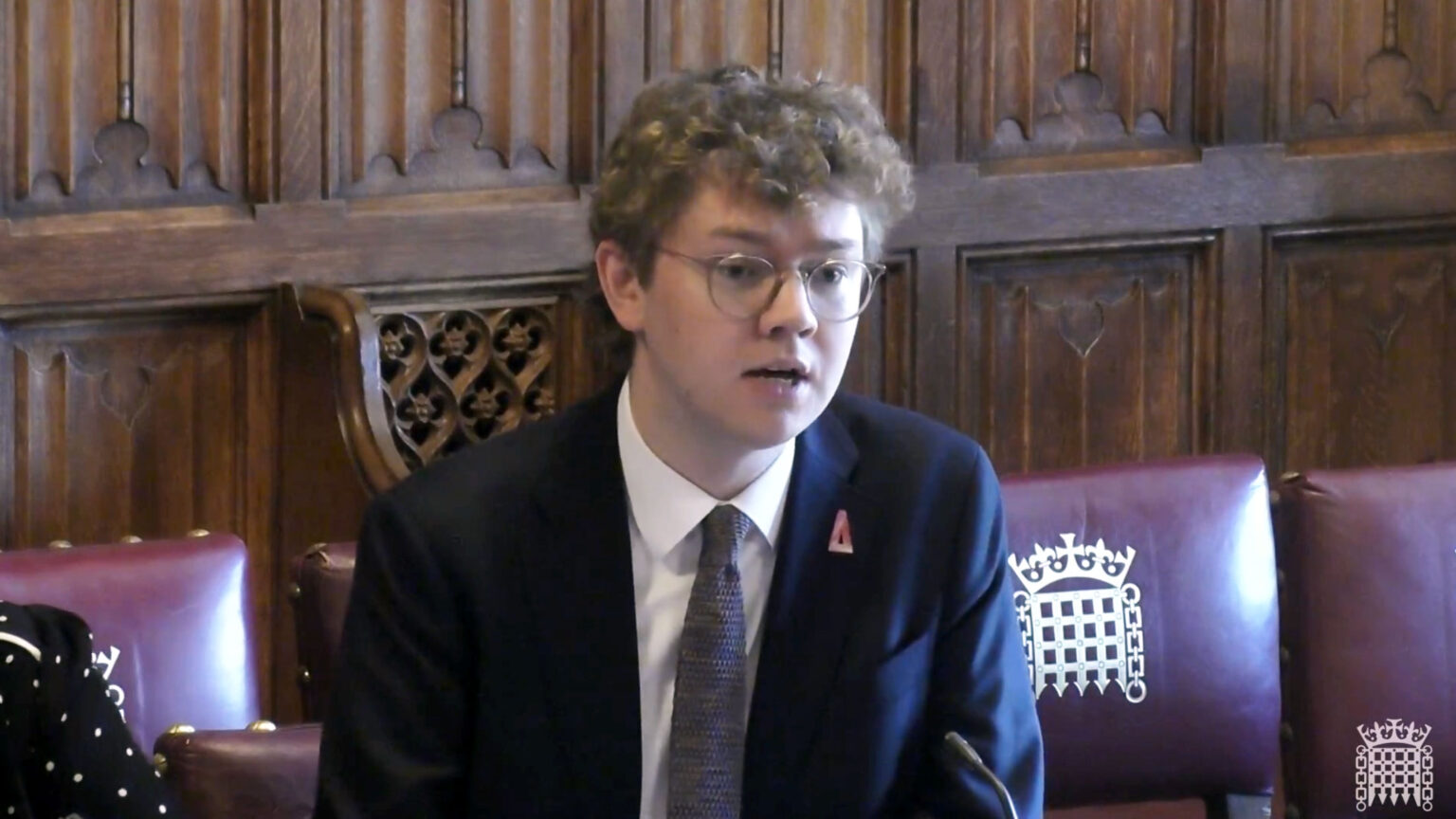
CFTA gives evidence in Parliament as ministers shape the future of the BBC
Director Jack Gamble said that the BBC “still connects millions of us to music, to comedy, to drama, to all the arts, and through the arts, to one another”.
Director Jack Gamble said that the BBC “still connects millions of us to music, to comedy, to drama, to all the arts, and through the arts, to one another”.
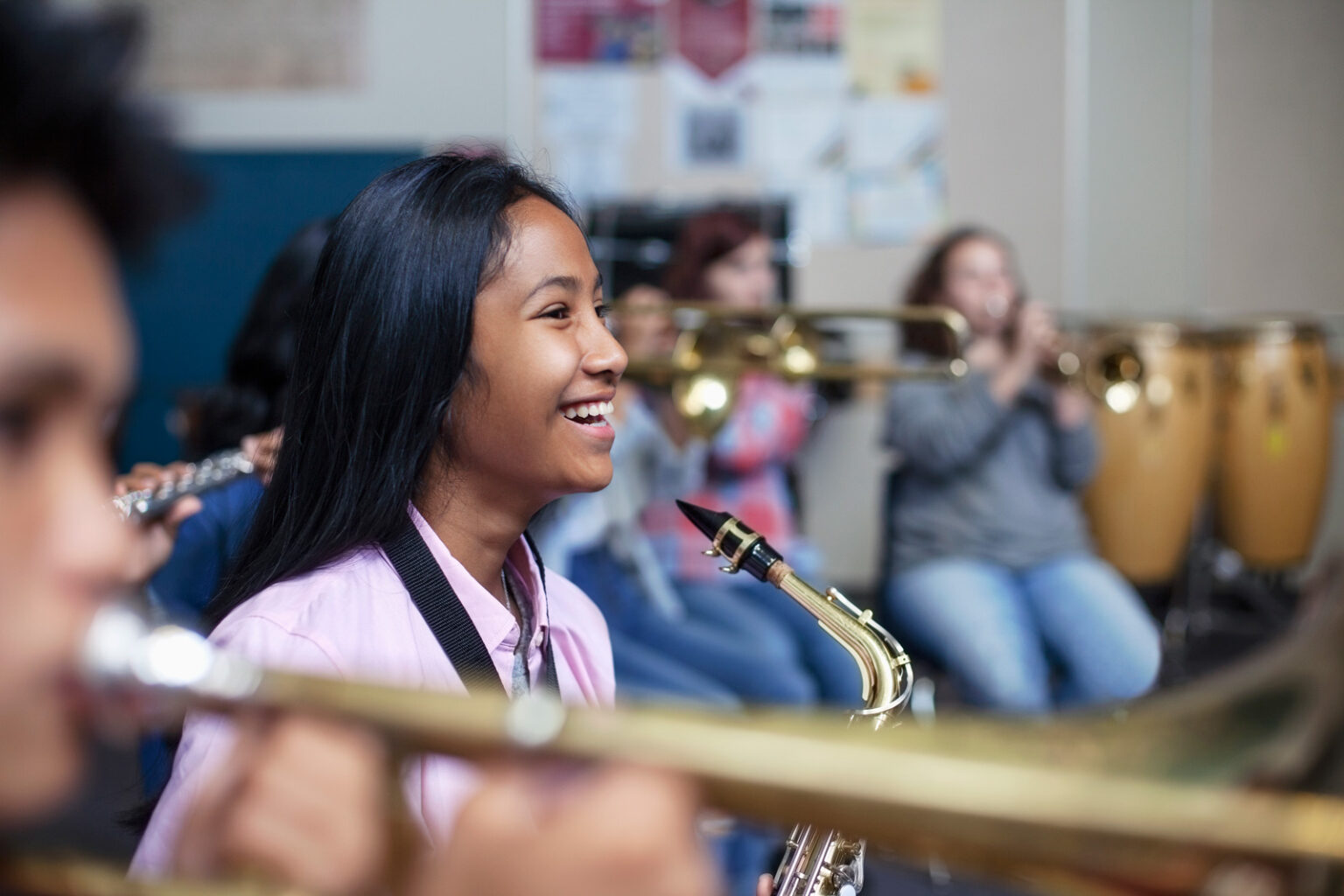
After years of campaigning, the government has pledged to reform the accountability measures that have squeezed arts out of schools in England. Now they’re consulting on the detail, and your response could help shape the future.

How changes to business rates expose the gap between the value and valuation of cultural organisations
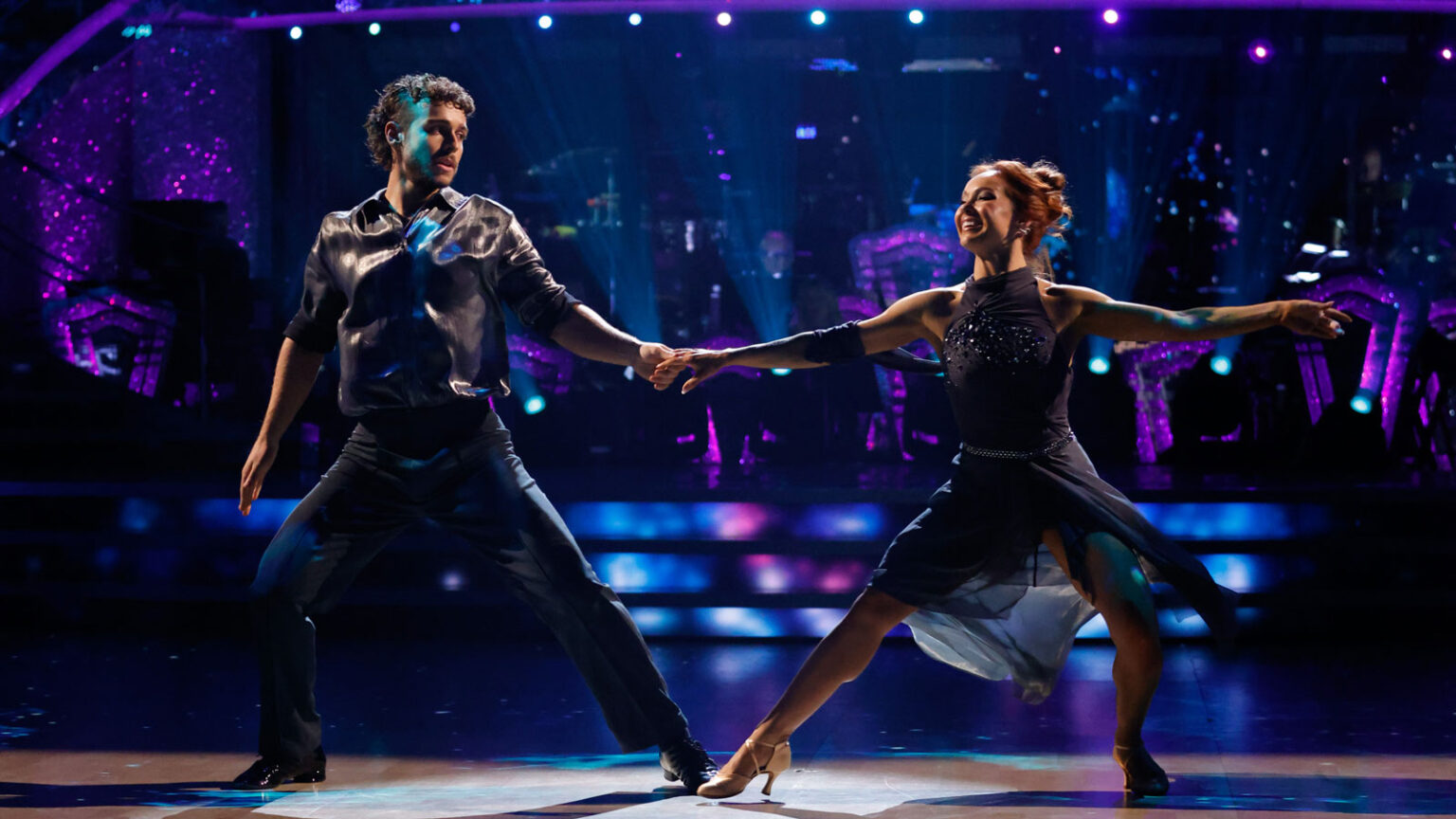
Our major new report argues that the BBC is far more than a broadcaster: it is a cultural organisation and an essential pillar of national social infrastructure, whose future funding must be secured with ambition and principle.
Welsh culture spending is seeing a moderate increase, repairing previous cuts.
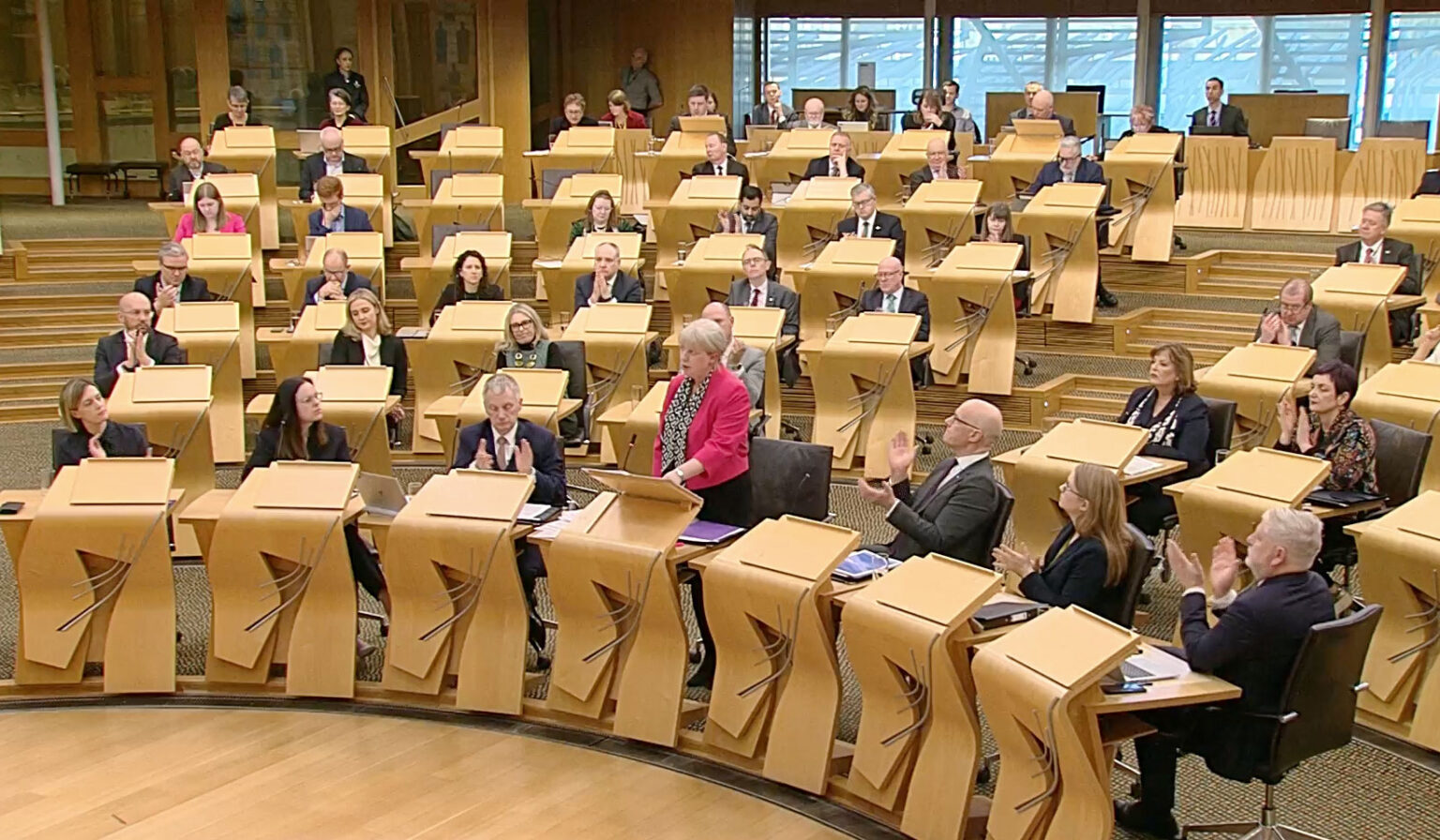
The Scottish Government has once again increased its investment in culture, improving prospects for artists and organisations at a critical moment.
The Campaign for the Arts has responded to the publication of an independent review of Arts Council England, led by Baroness Margaret Hodge DBE and
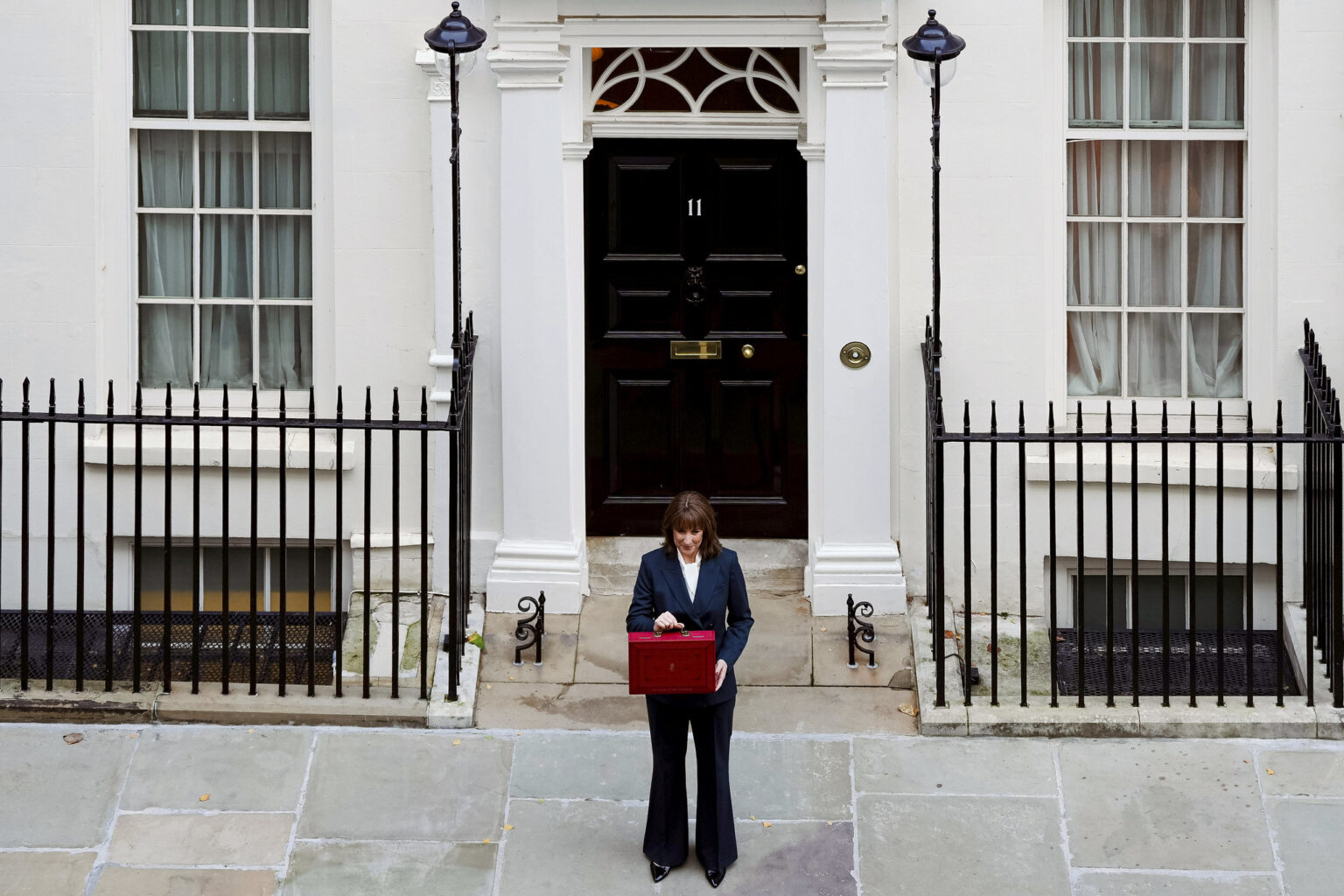
The Chancellor avoided big new cuts, but did not unlock significant new potential for the UK’s arts and culture sector.
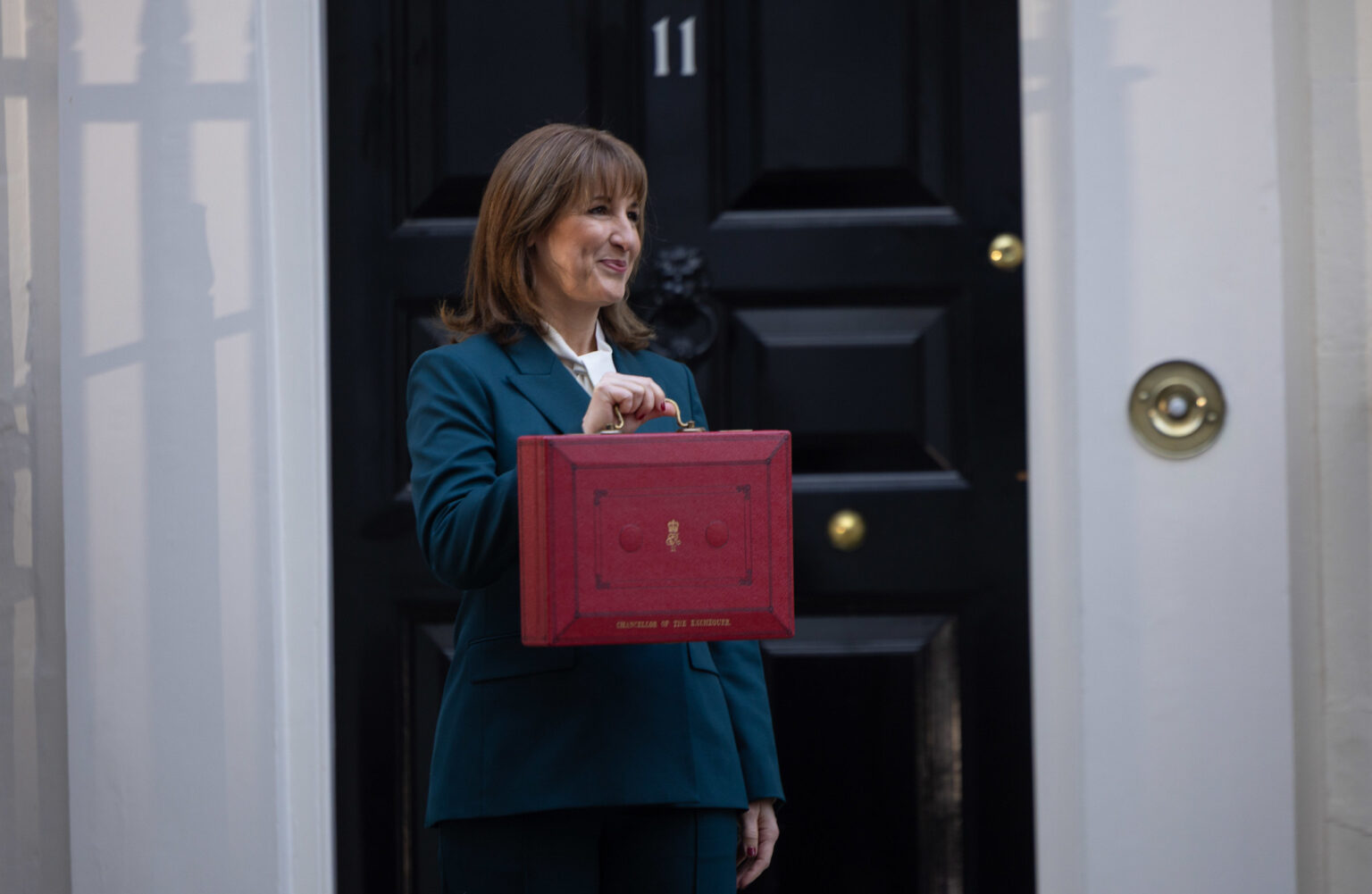
The Chancellor of the Exchequer, Rachel Reeves MP, has unveiled the 2025 Autumn Budget. In an initial reaction from the Campaign for the Arts, Director Jack
EBacc scrapped, Progress 8 to be reformed, a new core enrichment entitlement… What does it all mean?

New analysis by the Campaign for the Arts reveals that arts subjects now account for a smaller proportion of GCSE and A-level entries than at any time since 2010.
Five charts that tell us something about the health of the arts in the UK in 2025.
Arts programmes are among those at risk of being less available, prominent and discoverable on the streaming platforms of the UK’s public service broadcasters.

CFTA Director Jack Gamble reflects on the first year of this Labour Government, finding cause both for concern and for hope.
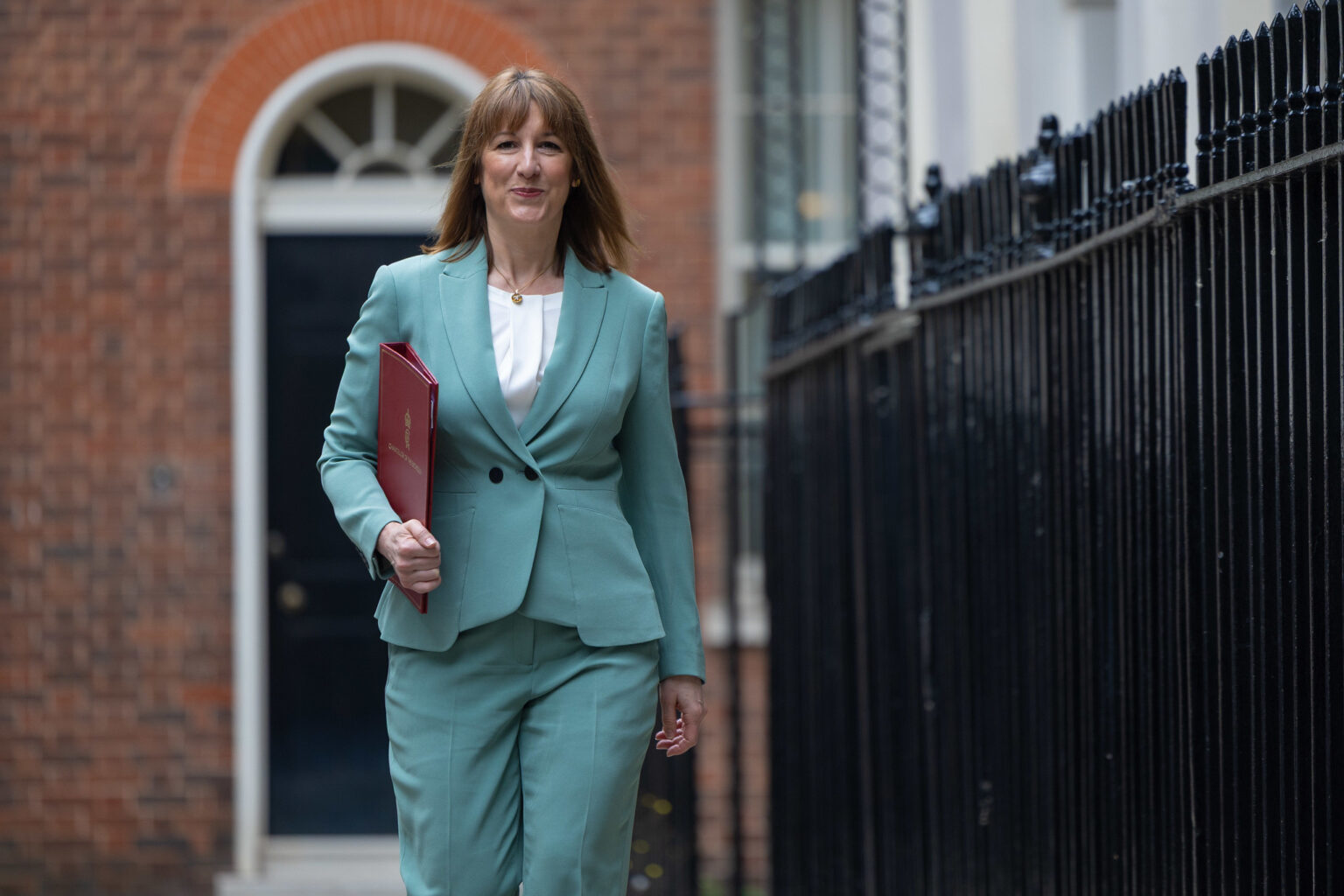
The Chancellor has made choices in this Spending Review that will affect the health of the arts for the next three years and beyond.